
Understanding PIM Architecture: Components & Benefits
Learn how PIM architecture drives accurate data, efficient workflows, and seamless multi-channel delivery with essential tips for a scalable system.
November 19, 2026
In today’s crowded marketplace, first impressions are everything. Product experience can make or break those first impressions, influencing how customers perceive your product—and ultimately—whether or not they make a purchase.
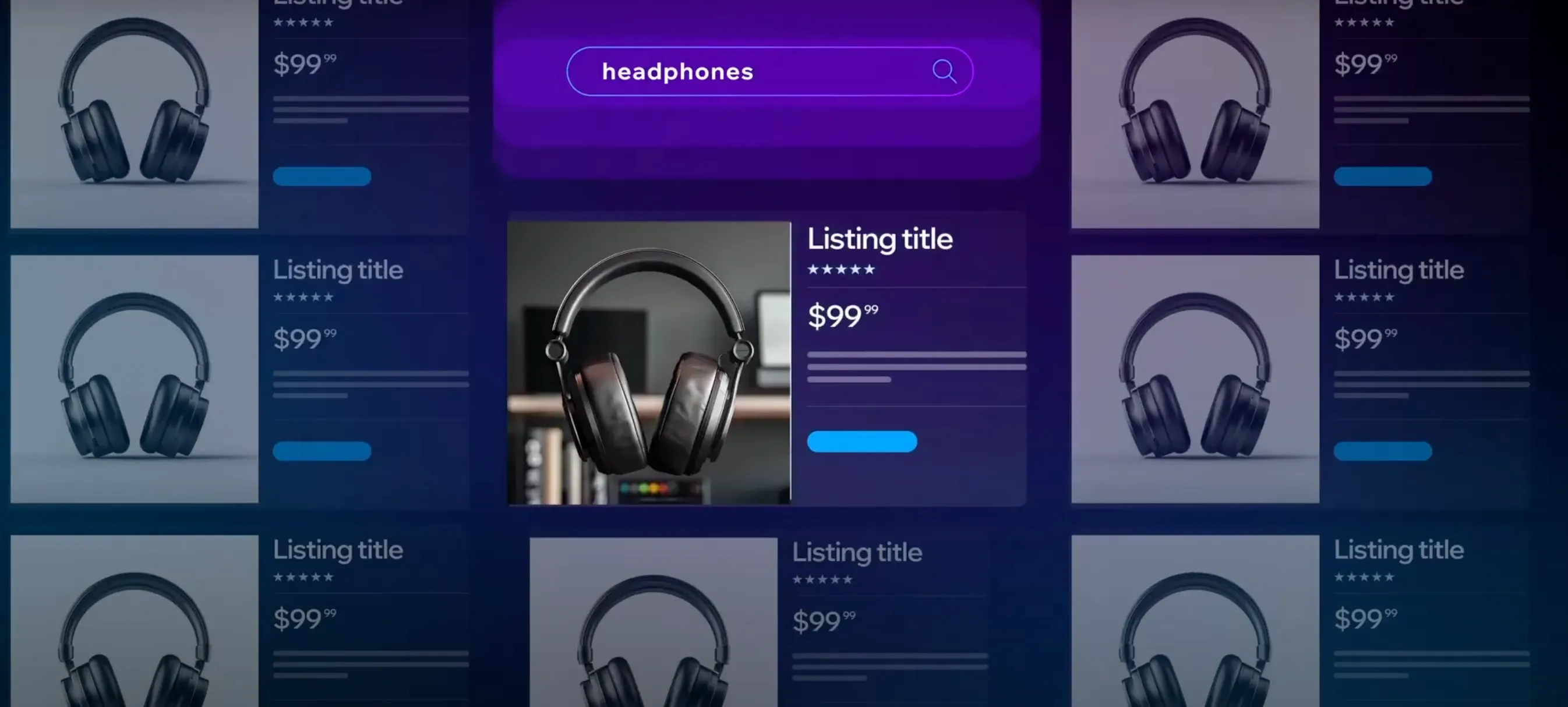
PXM is all about creating better product experiences for customers. It centralises, manages, and optimises product data to deliver more engaging, tailored experiences across every channel, from social media to third-party retailers.
With PXM, brands can be sure product information is relevant, compelling, and consistent at every customer touchpoint. Shoppers get the information they need to feel confident about their purchase, while brands maintain customer trust and build loyalty.
Here is an analogy to better illustrate the fundamentals of PXM:
Imagine you’re planning a weekend camping trip and need a new tent. You’ve got a mental checklist of essentials: waterproof material, lightweight design, and easy setup. After a quick search, you find what looks like the perfect tent on an outdoor retailer’s website, which boasts all the right features. But when you check a major marketplace for reviews, you find conflicting descriptions and a few complaints about missing setup instructions.
This inconsistency starts to erode your confidence. Is this the tent you want for your trip, or could you end up wet and frustrated? Suddenly, you’re searching for a different option with more reliable information. As a shopper, you’ll find another tent that meets your needs, but for the tent brand, this inconsistency translates to a lost sale and perhaps even a lost customer.
This scenario illustrates the power of PXM. It ensures that every touchpoint, from the retailer’s website to third-party marketplaces, delivers consistent, accurate, and compelling product information, helping brands maintain customer trust and build loyalty.
Customers abandon their online cart nearly 70% of the time, often because they’re frustrated by vague product descriptions and lackluster visual experiences. When they leave, they head to another website to purchase a different product—one with more detailed information, better photos, or a more engaging presentation.
That missed opportunity is a big hit to ecommerce brands, representing $18 billion in lost sales revenue annually. But here’s the good news: $260 billion worth of lost orders are recoverable. By simply offering better product experiences, you can recapture customers, increase conversion rates, and boost satisfaction.
PXM makes it all possible, allowing you to provide consistent, accurate, engaging experiences across all platforms.

PXM is a key part of any omnichannel marketing strategy, allowing you to create consistent, engaging customer experiences no matter where shoppers encounter your product.
Customers get the same comprehensive information about your product, whether they’re on your website, social media, or an online marketplace. They aren’t left with questions about sizing, fabrics, colours, or materials. They aren’t hopping from one retailer to another to read reviews or learn more about features. Instead, they enjoy a seamless, confident shopping journey, using the platform most suited to their needs.
As a result, you enjoy higher engagement, customer satisfaction, and conversion rates. You reach customers where they are and increase the likelihood of a sale, regardless of the channel.
Product information management (PIM) and PXM have complementary but distinct roles. Think of PIM as the tool and PXM as the strategy.
PXM solutions feature advanced technology stacks, enabling you to personalise experiences to each platform in a way that resonates with individual shoppers.
In simple terms, PIM handles the what (the data), while PXM focuses on the how (the experience with the data).
For example, if you’re shopping online for eyeglasses, PIM ensures all product details are correct: sizing, colour choices, materials, pricing, etc. Meanwhile, PXM enhances how you experience the product online. It might suggest glasses based on your shopping history, show videos of people wearing them, or let you use AR to see how they might look on your face.
Together, PIM and PXM deliver accurate, memorable, relevant experiences that foster customer loyalty.
PIM and PXM work hand-in-hand to create engaging, omnichannel product experiences. PIM ensures data accuracy, while PXM adapts and personalises that data for each platform, delivering a cohesive, engaging experience.
When combined with AI, machine learning, and personalisation tools like AR and VR, PIM and PXM help you meet customer needs at every point along their journey.
This approach goes well beyond a bulleted list of product features and benefits.
Imagine this: you’re a brand selling home furniture across multiple regions and channels. You use PIM to manage product data, including descriptions, sizes, images, and pricing.
Then you use PXM to customise product information based on where customers see it.
Leveraging PIM’s accurate data, you can use PXM to personalise experiences even further by offering recommendations based on previous purchases, geographic location, or seasonality.
Here’s how PIM and PXM differ in focus, purpose, scope, and more:
PIM is a central repository for collecting and organising accurate product data. PXM leverages that data to craft customer-centric experiences that make product information more engaging, personalised, and tailored to individual channels.
PIM is designed to centralise and manage essential product information. PXM optimises this information for customer interaction, ensuring it’s personalised and appealing at every digital touchpoint.
PIM structures, stores, and updates product data to keep it accurate. PXM uses this data to shape unique, adaptive content that resonates with audiences on various channels, enhancing brand presence.
PIM is data-focused, ensuring information is reliable, accurate, and accessible. PXM takes a broader approach, focusing on how this information engages customers across different platforms.
PIM streamlines processes and ensures consistency by acting as a single source of truth for product data. PXM helps improve customer engagement, satisfaction, and conversion rates through customised experiences.
PIM’s end goal is to maintain data quality and accuracy. In contrast, PXM aims to build brand loyalty and customer trust by delivering personalised product experiences aligned with customer needs.
PIM standardises data, ensuring it’s uniform and accessible to all channels. PXM adapts this data to match the unique needs of each channel.
PIM provides customers with accurate product details across channels. PXM fosters connection and trust by presenting data in an engaging, relevant way that feels personalised and meaningful.
Implementing PXM gives you a powerful competitive advantage, allowing you to enhance customer engagement and drive growth with engaging omnichannel experiences.
Take a look at some of the top benefits:
Enhanced Product Visibility: Stand out in crowded marketplaces with engaging, consistent, and optimised content across all digital channels.
Improved Customer Trust: Build brand credibility with consistent, comprehensive, and accurate product information.
Localised Experiences: Delivers personalised, relevant customer experiences with region-specific content.
Increased Conversions: Motivate customers to purchase with engaging, tailored content.
Seamless Omnichannel Presence: Delight customers with unified product experiences across online and offline channels.
Faster Time to Market: Quickly adapt to market trends by streamlining product updates.
Efficient Content Management: Reducing duplication and manual updates by automating personalised product experiences.
Data-Driven Insights: Improve product experiences and strategy in-depth customer analysis.
Essential Systems for Superior Product Experiences
Digital Asset Management (DAM)
Enhance your product storytelling with rich, organised visuals. Integrating DAM with PXM ensures seamless delivery of captivating product experiences.
Enterprise Resource Planning (ERP)
Manage internal workflows with ERP while PXM focuses on delivering consistent, engaging product experiences across customer-facing channels.
Product Lifecycle Management (PLM)
Oversee product development from concept to launch with PLM, while PXM takes it further by enriching and tailoring product data to create personalised customer experiences.
Product Information Management (PIM)
Lay the foundation for superior product experiences with a centralised PIM system. PXM leverages this data to create immersive, customer-centric journeys.
Master data Management
Ensure data consistency across your business with MDM. PXM uses this unified data to deliver accurate, impactful product experiences to your customers.
Digital Shelf
Stand out in the competitive digital shelf environment. PXM ensures your product data and visuals work together to create compelling, purchase-driving experiences.
Understanding PIM Architecture: Components & Benefits
Learn how PIM architecture drives accurate data, efficient workflows, and seamless multi-channel delivery with essential tips for a scalable system.
November 19, 2026

Unlocking PIM Integration: Key Benefits & Best Practices | Pattern
Discover what PIM integration is, its crucial benefits, technical challenges, and best practices to enhance e-commerce and supply chain efficiency.
November 19, 2026
Understanding the Master Data Management Framework
Discover what a Data Master Management Framework is, explore its core components, understand its benefits, and learn how to implement it successfully.
November 19, 2026
PXM focuses on creating engaging, channel-specific product experiences, while traditional product data management is more about organising and storing data.
PXM is ideal for brands selling across multiple channels and markets, especially those focused on delivering a personalised, engaging customer experience.
Yes, PXM systems are designed to integrate seamlessly with PIM, ERP, and other business tools for consistent data flow and efficiency.
Not necessarily. PXM uses existing content but optimizes it to match the needs of each channel, often enhancing visual and textual elements.
By delivering consistent, relevant product experiences that build trust and meet customer expectations, PXM helps enhance brand loyalty over time.