
Understanding PIM Architecture: Components & Benefits
Learn how PIM architecture drives accurate data, efficient workflows, and seamless multi-channel delivery with essential tips for a scalable system.
November 6, 2026
Digital Asset Management (DAM) — the process of centrally storing, organising, and managing multi-media content like videos, audio files, and PDFs — helps improve collaboration between teams, enable a consistent brand experience, and enhance data security.
A Digital Asset Management (DAM) system is a tool or software that centrally stores, organises, manages, and distributes a company’s digital assets, from images and videos to 3D models and CAD files.
As businesses expand globally and decentralise operations, it’s important to ensure that each team can quickly access the assets they need to carry out its function. Combined with the ever-growing number of online platforms where businesses need to show up to stay top of mind for customers — and scaling your workforce to manage them all — this creates a business imperative for maintaining a system that distributes up-to-date versions of your digital files.
A cloud-based DAM system enables more efficient retrieval of digital assets than on-premesis (or “on-prem”) DAM. Cloud-based DAM is hosted on remote servers and allows team members to access the most up-to-date content wherever they are. On-prem DAM, on the other hand, is often hosted on a specific device and can therefore only be accessed under specific circumstances. This can cause bottlenecks and version control issues down the line.
DAM systems centrally store and distribute digital files, eliminating the need to store assets on individual drives and desktops. By automatically categorising and tagging uploaded assets, DAM systems make it easier for stakeholders to find what they’re looking for. Additionally, image recognition features allow team members to find assets without needing to remember exact file names.
By keeping track of multiple versions of assets, DAM ensures that the most up-to-date version is easily accessible while still making past versions available for reference. To bolster data security, DAM systems regulate user permissions, allowing administrators to determine who can upload, download, view, or edit assets. This keeps sensitive content secure while empowering efficient collaboration within teams. As an added security measure, DAM’s encrypted storage and backup options reduce the risk of unauthorised access and potential loss of assets.
Also, collaboration between teams is more streamlined with DAM. Not only is it easy to share files and automate approval workflows, but third-party integration is seamless. Integrating DAM systems with tools like content management systems and marketing platforms makes it easier to automate repetitive tasks, streamline asset distribution, and maintain consistency across channels.
As a centralised repository for important company assets, DAM enables quick and easy retrieval of the correct version of files, powers cross-team collaboration through workflows and third-party integrations, and regulates user access of sensitive files.
Your team should ask several key questions to evaluate whether it's time to invest in a DAM system. Namely:
Start by thinking about your current process for storing, updating, finding, and sharing digital assets. If every team uses discrete storage locations, manually updates files on their own authority, and spends more than a few minutes searching for the right version of a file, it may be time to invest in a DAM system to streamline your process. This will reduce the time spent creating duplicate content and the likelihood of visually inconsistent content going live.
Additionally, consider how seamlessly your teams collaborate on projects. Is progress on a project location-dependent? Can you determine the status of an asset at any given time without waiting for a team member across the country to come online and provide updates? DAM systems can help prevent project bottlenecks by improving visibility and providing real-time alerts when files are uploaded, updated, or approved.
Further, the security of your digital assets is critical. As the number of data breaches increases year over year, it’s important to deploy systems that will protect sensitive assets. DAM systems offer enterprise-level security and data encryption, ensuring that your assets are stored safely while still being accessible to authorised users and third-party software.
A DAM system isn’t just glorified storage for your files — it provides a high return on investment by reducing errors, automating workflows, and increasing productivity. In terms of long-term solutions for high-level needs, DAM systems support your team’s growing needs and improve your digital asset management.
Here are some benefits of DAM systems:
DAM saves you time by giving you access to the files you need quickly. By centralising your digital assets, DAM reduces the time it takes to find the right files, get updates on the status of an asset, and publish brand-aligned digital assets.
DAM allows teams to stay on the same page even as they manage multiple projects and campaigns from different locations. By providing centralised access to files, increasing visibility, and automating workflows, DAM enables efficient collaboration across teams and functions.
For modern customers, brand consistency is a key factor in gaining their trust. DAM helps ensure that all content going out in your brand’s name is consistent across platforms.
When your assets are scattered across different spreadsheets and drives, you’re at an increased risk for security breach. DAM’s access permissions, data encryption, and backup options ensure that your data is only used by authorised stakeholders.
By tracking different versions of assets, DAM systems help ensure that you always have access to the most recent version of a file. This prevents content duplication and keeps everyone on the same page.
A DAM system helps provide long-term ROI, as it allows you to spend your time on more high-value tasks. DAM reduces the time you would spend on tedious, repetitive tasks and allows you to focus on activity that will contribute to the bottom line.
DAM allows you to grow and scale your business more quickly. With everything in its place and properly documented, moving fast isn’t a problem. Likewise, new team members will know where to find what they need quickly and be able to hit the ground running.
To experience the full benefits of a Digital Asset Management system—streamlining your workflows, enhancing collaboration, securing your assets, and driving growth—See our DAM solution and discover how DAM can transform your business.
A DAM system can handle a wide variety of digital assets, providing an organised and secure way to store, retrieve, and distribute these resources across your organisation. Here are some of the main types of digital assets that can be managed by DAM solutions:
DAM systems help teams of all sizes in different industries. Here are some examples of common use cases for DAM systems:
DAM for retail centrally stores and organises digital assets, ensuring that retail stores publish consistent, accurate, and relevant information for each product.
Marketers use DAM to access up-to-date marketing content so they can create a consistent brand experience for customers and launch campaigns more quickly.
DAM helps sales reps improve performance by providing access to product one-pagers, presentation templates, and example messaging.
As companies publish across multiple platforms, DAM helps ensure that stakeholders have access to the correct version and maintain consistency across channels.
DAM helps brand teams manage brand assets, messaging, and collateral so they can provide a consistent brand experience online
DAM allows teams to centrally store and distribute digital assets, streamline workflows, and produce content more quickly.
While protecting the security of your digital files and assets, DAM enables seamless collaboration through approval workflows, increased visibility, and centralised access to relevant materials.
DAM helps product and content teams to keep track of their assets, make real-time updates to collateral, and avoid productivity bottlenecks when planning and executing campaigns.
Explore the Ecosystem That Works Seamlessly with DAM
Product Information Management (PIM)
PIM systems manage all data related to a product — including technical details, localisation data, and digital assets — in one centralised location.
Product Experience Management (PXM)
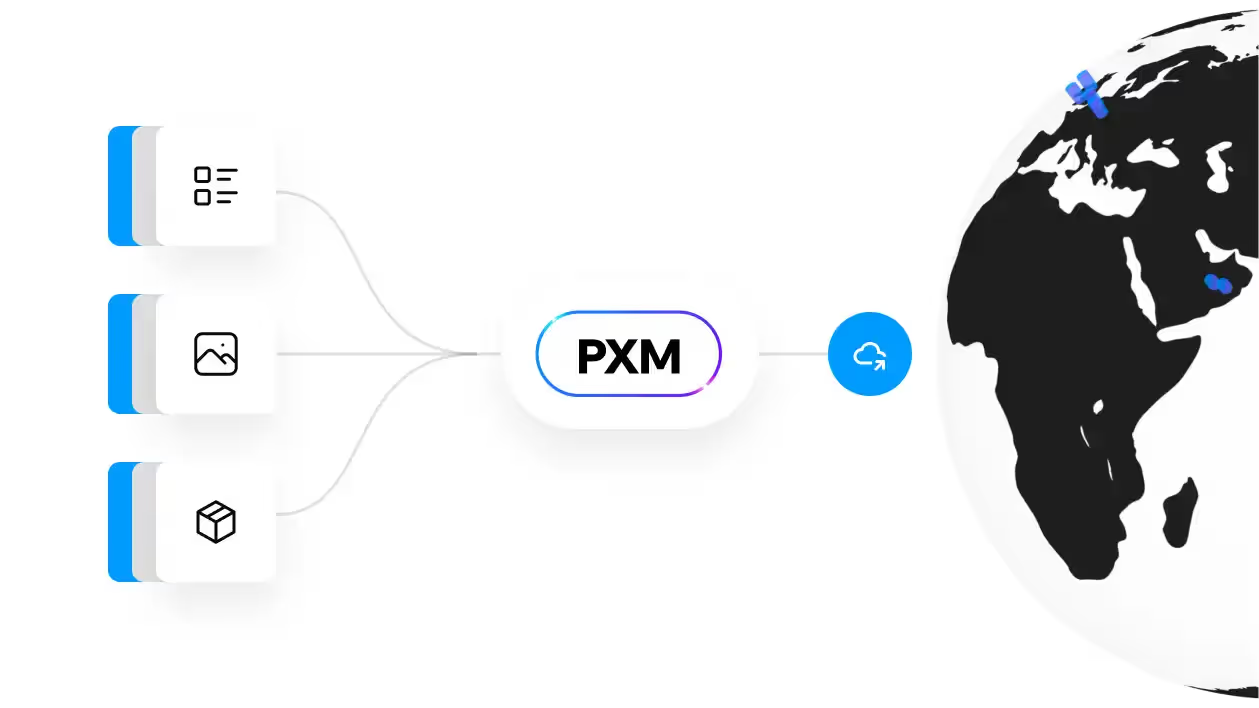
While DAM stores, manages, and distributes digital assets, PXM systems put them all together to create a seamless brand experience for customers.
Enterprise Resource Planning (ERP)
ERP systems provide a broad-scope view of critical business data, including financial information, supply chain data, and digital assets.
Digital Shelf
A digital shelf — a collection of online platforms where customers buy products — is often populated by the data within a DAM.
Product Lifecycle Management (PLM)
PLM tools manage a product’s life cycle — from product development to decline — including the digital assets used to market it.
Understanding PIM Architecture: Components & Benefits
Learn how PIM architecture drives accurate data, efficient workflows, and seamless multi-channel delivery with essential tips for a scalable system.
November 6, 2026

Unlocking PIM Integration: Key Benefits & Best Practices | Pattern
Discover what PIM integration is, its crucial benefits, technical challenges, and best practices to enhance e-commerce and supply chain efficiency.
November 6, 2026
Understanding the Master Data Management Framework
Discover what a Data Master Management Framework is, explore its core components, understand its benefits, and learn how to implement it successfully.
November 6, 2026
A content management system (CMS) is a system that allows you to publish, edit, and manage website content, while a DAM stores digital assets, including images and videos that are sometimes used in website content.
While DAM streamlines internal digital assets like images and audio files, Digital Content Management (DCM) manages the overall production and distribution of content, which includes but is not exclusive to digital assets.
DAM SaaS is a cloud-based tool that centrally stores, organises, manages, and distributes digital assets on remote servers, enabling authorised stakeholders to easily retrieve up-to-date versions of these files anywhere, at any time.
Choosing the best digital asset management software depends on a few factors, including your business goals, use case, and internal stakeholders. The best DAM software will have features that help you address your main challenges and provide the highest ROI.
Lorem ipsum dolor sit amet, consectetur adipiscing elit, sed do eiusmod tempor incididunt ut labore et dolore magna aliqua. Ut enim ad minim veniam, quis nostrud exercitation ullamco laboris nisi ut aliquip ex ea commodo consequat. Duis aute irure dolor in reprehenderit in voluptate velit esse cillum dolore eu fugiat nulla pariatur.